Tokenomics is the set of decisions that define a token’s economics — how many exist, who gets them, and whether trading itself carries a cost. For a memecoin specifically, where there’s usually no underlying product, tokenomics is often the only concrete thing worth actually evaluating before deciding whether to trust one.
{{IMAGE:assets/images/tokenomics-featured.webp}}
What tokenomics actually covers
Four decisions make up the core of most memecoin tokenomics: total supply (how many tokens will ever exist), allocation (who receives what share at launch), whether there’s a transaction tax (a fee taken on every buy/sell), and whether supply can change after launch (via minting or burning). Each of these is a deliberate design choice, not a fixed standard — which is exactly why checking them matters.
Total supply and allocation
Total supply by itself doesn’t indicate much — a token with a trillion units isn’t inherently worth less per-unit-effort than one with a million; it’s simply a different denomination. What actually matters is allocation: how much goes to the team versus the community versus the liquidity pool versus marketing. A commonly cited rough pattern spreads allocation across marketing, development, community rewards, and a presale or airdrop portion, but there’s no universal standard — some projects allocate the large majority to liquidity and community with minimal team allocation; others concentrate heavily on the team, which is itself a risk signal worth weighing against everything else you know about the project.
Transaction taxes and their real effect
Some memecoins build a fee directly into every buy and sell transaction, often routed to marketing, a rewards pool for existing holders, or automatically added back to liquidity. This isn’t inherently a red flag — it’s a legitimate design choice — but a high transaction tax directly reduces what a seller actually receives and what a buyer actually gets, which matters more the more actively a token is traded. Check the actual percentage and where it’s routed before assuming it’s negligible.
Why allocation percentages aren’t standardized

Unlike, say, a regulated security with disclosure requirements, there’s no governing body setting acceptable tokenomics ranges for memecoins — every project sets its own numbers, and marketing materials describing an allocation as “fair” or “community-first” are a claim, not a verified fact. The allocation itself is usually visible on-chain or in the deployment contract, which is the actual source of truth rather than what a project’s own promotional copy says about it.
{{IMAGE:assets/images/tokenomics-allocation-visual.webp}}
Vesting and unlock schedules
Even a reasonable-looking team allocation can behave like a hidden risk if it’s not vested — released gradually over time rather than all at once at launch. A team allocation with no vesting schedule means every team-held token could be sold immediately, which is functionally similar to a much larger allocation dumped on the market at once. A vesting schedule spread over months or years, ideally verifiable on-chain rather than just promised, meaningfully reduces this specific risk without requiring the team allocation itself to be small.
Reading a tokenomics chart critically
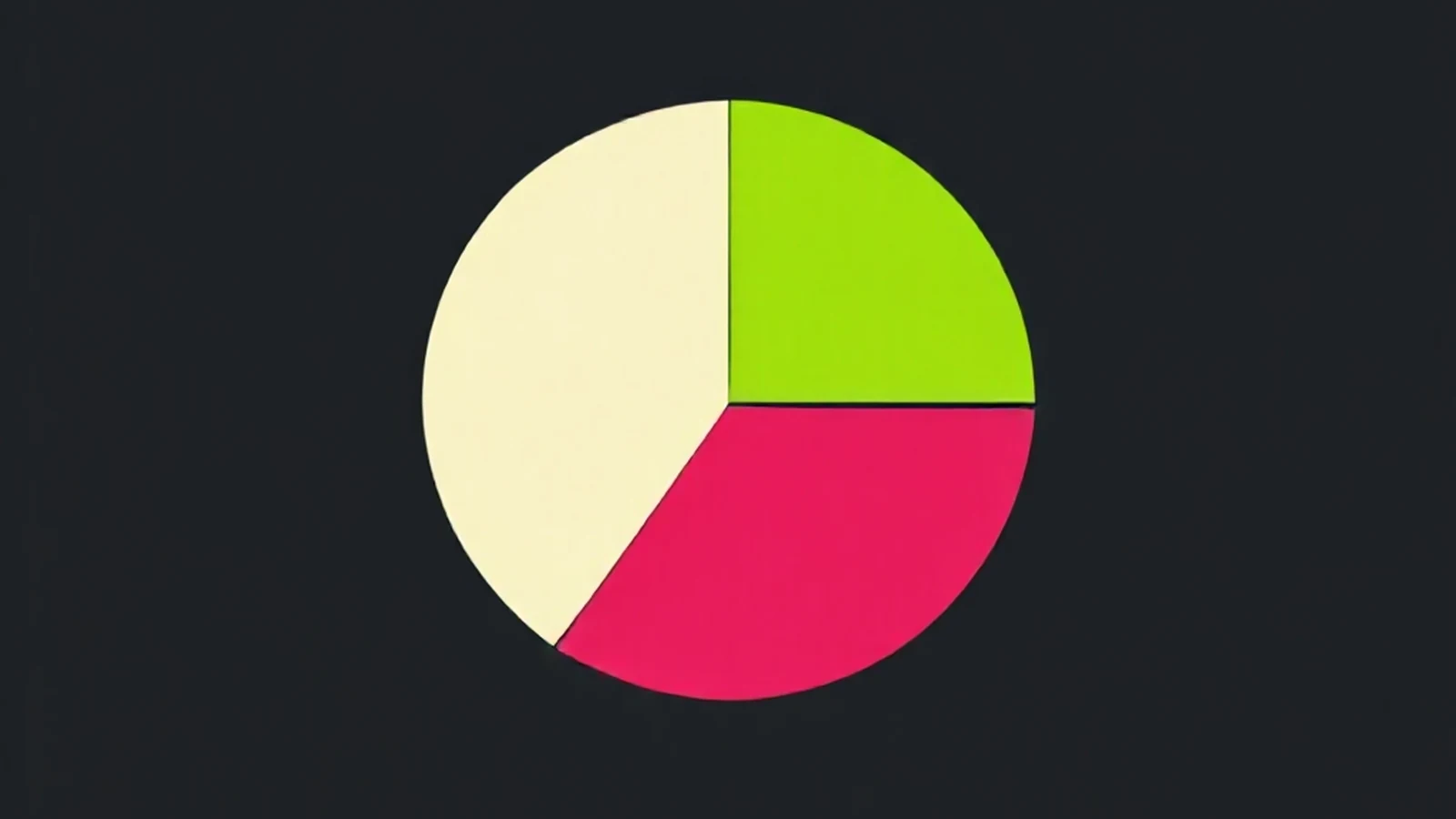
Marketing materials often present allocation as a clean pie chart, but the chart alone doesn’t show vesting, doesn’t show whether “community” tokens are actually held by a small number of early insiders rather than a broad base, and doesn’t show transaction tax routing. Treat a tokenomics chart as a starting point for questions, not a complete picture — the actual contract and on-chain holder distribution are what confirm or contradict what the chart claims.
How tokenomics interacts with the deployment steps
Tokenomics decisions aren’t made in isolation — they’re set at the moment of deployment (see the full creation process) and, if mint authority isn’t revoked afterward, can technically still be changed. This is exactly why checking authority status matters as much as reading the tokenomics chart itself: a favorable-looking allocation today doesn’t guarantee anything about tomorrow if the contract retains the ability to mint more supply.
FAQ
Is a lower total supply better than a higher one?
Not inherently — total supply is a denomination choice, not a value indicator. What actually matters is allocation, not the raw number of units that exist.
What’s a reasonable transaction tax?
There’s no universal answer, but a very high tax (well above what’s common for the chain and category) meaningfully erodes returns on active trading and is worth specifically questioning.
Can tokenomics change after launch?
Only if the contract retains the ability to do so (like unrevoked mint authority) — see coin vs. token and how to spot a rug pull for why that capability itself is a risk signal.
Where can I actually check a token’s tokenomics myself?
The chain’s own block explorer shows the deployed contract, current holder distribution, and whether mint/freeze functions have been revoked — this is the primary source, more reliable than a project’s own marketing page describing the same numbers.